

















India is entering a new phase of technological change. For years we spoke about computers, then about the internet, and later about smartphones. Today the conversation has moved to Artificial Intelligence. What makes this shift different is that AI is not just another technology people occasionally use. It is becoming a layer that will sit quietly beneath almost everything we do learning, working, communicating and even decision-making.
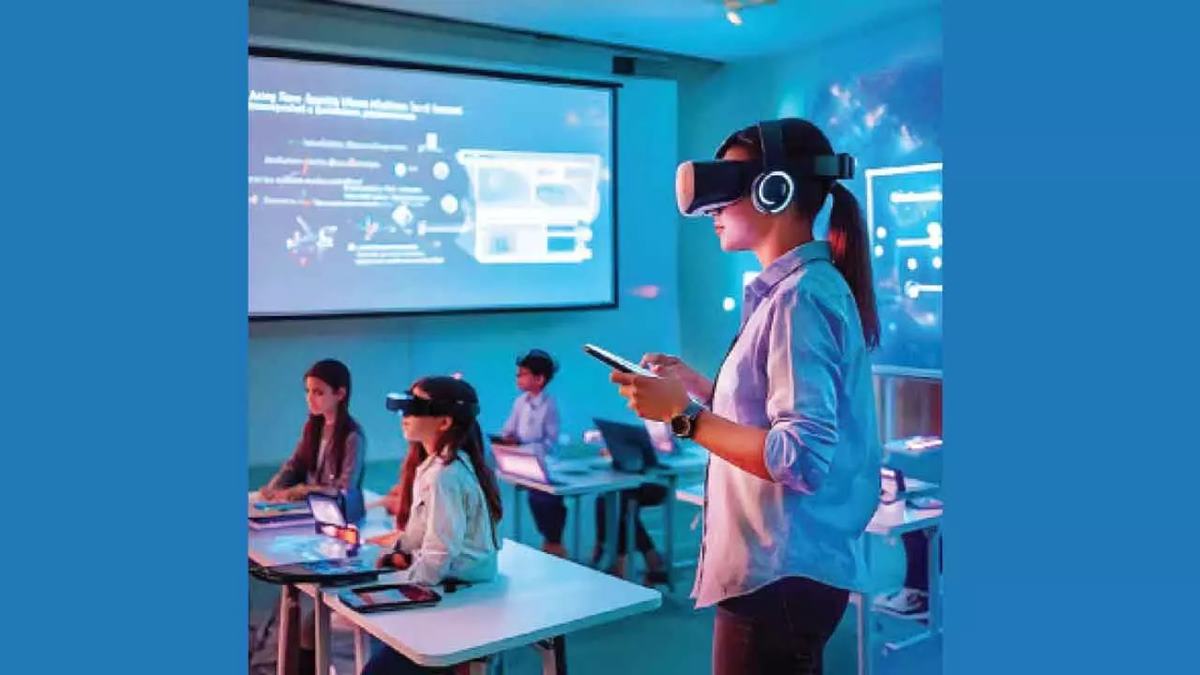
Students are already interacting with AI in ways we did not imagine even two years ago. They use chatbots to understand difficult topics, generate ideas for projects, prepare presentations and sometimes even draft assignments. The change has happened faster than our education system could prepare for it. The question therefore is not whether young people will use AI: they already are. The real question is whether they will understand it.
This is why initiatives such as Yuva.ai are important. The goal is not to create more programmers. The goal is to make AI understandable to ordinary citizens, especially young learners who will enter a workforce shaped by intelligent tools.
AI is becoming a basic life skill
Two decades ago, knowing how to search on the internet or send an email was considered a special skill. Today it is basic literacy. Artificial Intelligence is heading in the same direction. Every profession from healthcare to marketing, from law to teaching, from entrepreneurship to administration will increasingly depend on AI-assisted systems.
_A teacher may use AI to design lesson plans and assessments_.
– A small business owner may use it to communicate with customers.
– A student may use it for research and preparation.
– A professional may rely on it to analyse information quickly.
Most people will never build AI systems, but they will constantly interact with them. The divide of the future will therefore not be between technical and non-technical careers. It will be between people who understand AI and those who do not.
AI literacy does not mean coding. It means knowing how these systems behave where they help, where they make mistakes and how they should be used responsibly. Students must learn that AI can give useful answers but not always correct ones, and that original thinking remains essential.
From classrooms to careers
Many educators worry that AI will weaken learning. In practice, guided use can improve it. AI can explain concepts in multiple ways, generate practice questions and support different learning speeds. Teachers can spend less time preparing repetitive material and more time mentoring students. Instead of memorisation, classrooms can focus on understanding. The same transition will happen in the workplace. We often ask whether AI will replace jobs. History suggests that technology rarely eliminates professions; it changes the nature of tasks. The future will be defined by AI-augmented work. Journalists will use AI for research support, lawyers for document review, marketers for campaigns, doctors for assistance in diagnosis, and entrepreneurs for customer communication.
Even small businesses and freelancers can benefit. A home-based entrepreneur, a tuition teacher or a local retailer can now access capabilities that previously required large teams. In this sense, AI can become a productivity equaliser.
However, opportunity comes with responsibility. AI systems can produce incorrect information and reflect bias. Young users must therefore learn verification, privacy awareness and ethical use. The most valuable ability will not be how quickly someone can generate content using AI, but how wisely they can evaluate it.
India has already shown how rapidly it can adopt digital technology when access and awareness come together. The next step is building AI awareness across both metro and non-metro regions so that young people are not intimidated by technology shaping their future. Artificial Intelligence will certainly transform the world of work, but more importantly, it will influence confidence and opportunity. If millions of young Indians become comfortable using AI thoughtfully, they will not just adapt to the future they will help shape it.