













Starbucks just fired its AI, and the timing tells a bigger story about the polite narrative circulating in boardrooms and on conference stages right now. It goes like this. Automation is not destroying jobs, it is simply transitioning them. Whether it is in tech or healthcare, workers will move into new, higher-value roles. The labor market will rebalance. Everyone will be fine.
After a year of conversations with CHROs, CFOs, and CEOs across 92 countries, the data on the ground tells a different story. The wave of AI layoffs hitting knowledge workers is not a transition. It is the early signal of a pattern that deserves a name.
The AI Layoffs Are Not What The Transition Story Promised
Per the New York Times, Meta cut 8,000 people this week to fund its push into AI. Intuit is cutting 17 percent of its workforce. Oracle, Amazon, Cisco, and Atlassian have followed with tens of thousands more. These are knowledge workers, the very people the transition narrative said would be safe. Warehouse workers being retrained for robotics is one story. This is a different one.
This is a balance sheet reset driven by AI.
The New Roles Are Real And Can Come Back Like Starbucks
The transition story does have some truth in it.
The same companies cutting headcount are creating roles that did not exist three years ago:
- AI product managers.
- Agent orchestration leads.
- Model evaluation specialists.
The World Economic Forum projects that by 2030, technology will create 170 million new jobs globally while eliminating 92 million, for a net gain of 78 million. LinkedIn data shows postings with AI in the title have grown more than 300 percent in the last two years.
The roles are real. The work is meaningful. The people doing it are some of the most engaged employees in the workforce today.
Here is the part that does not get said out loud. Most of these roles require three to five years of experience working with the very tools companies are no longer hiring juniors to learn.
The math does not work.
The 22-year-old who would have been hired into an entry-level analyst role five years ago is not getting hired as an agent orchestration lead today. The jobs being created are out of reach for the people losing the ones being eliminated.
Starbucks Just Fired Its AI, And It Will Not Be The Last
There is one more reality companies are less eager to discuss.
Some of the AI is not working.
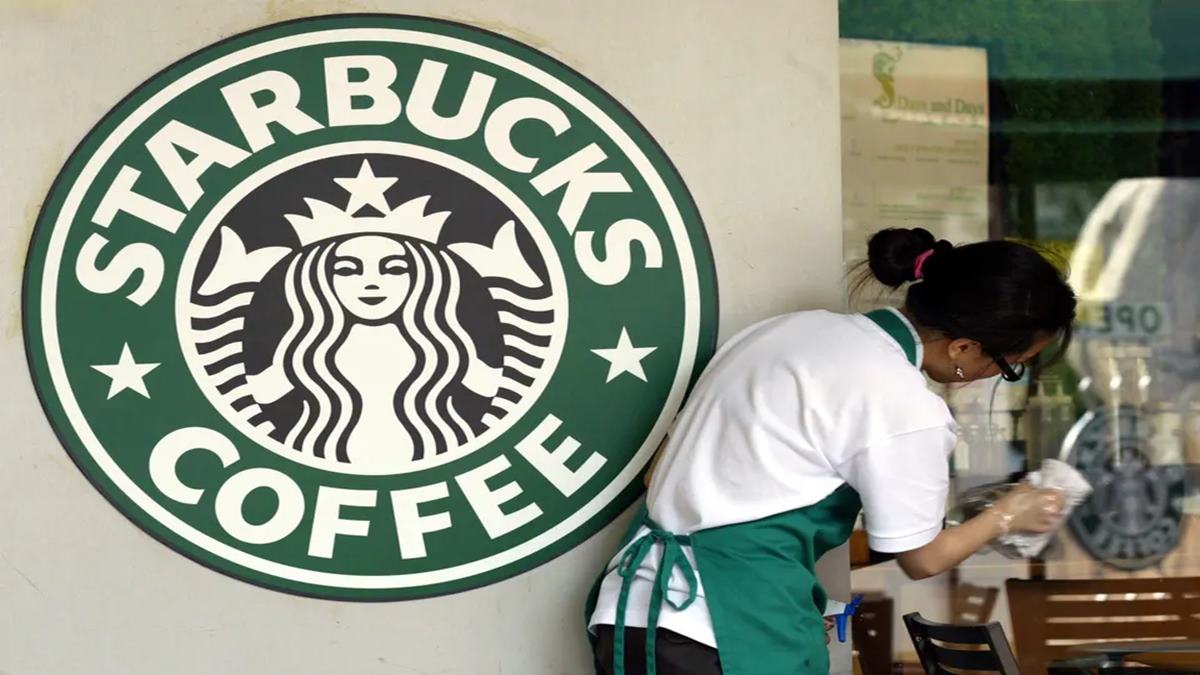
The same week companies announced more than 11,000 AI layoffs, per SeekingAlpha, Starbucks quietly retired its Automated Counting system across more than 11,000 stores. The tool, built to track inventory using computer vision, miscounted items and created shortages instead of solving them. Employees went back to counting by hand.
Both things are true at the same time. Companies are replacing people with AI, and companies are rolling back AI that cannot yet replace people.
That leaves a gap. And that gap is where a generation of workers now sits.
What The Best Leaders Like Starbucks Are Doing
The best leaders are not waiting for this to resolve itself. They are making deliberate choices.
They are funding production over pilots. Most companies are still experimenting while their competitors are restructuring around AI. Production is where roles and revenue actually change. It is also where leaders learn what does not work, and have the discipline to shut it down.
They are protecting entry-level roles intentionally, out of necessity. The future workforce has to be built somewhere. The companies that win will redesign junior roles around working with AI rather than eliminate them.
They are telling the truth in their communications like all-hands meetings and in board discussions. Some AI systems will fail. The timelines will not match perfectly. Pretending otherwise is how trust erodes, and trust is the only thing that scales in an organization adopting AI.
Keep Your Eyes on Those Leaders like Starbucks
The data shows new jobs being created. It also shows a growing number of capable people locked out of the system that is supposed to absorb them.
This is not a weather event. It is a leadership decision, and the Starbucks story is the warning shot every boardroom should hear before the next round of AI layoffs.