















A private member’s bill seeking to give Indian employees the legal right to ignore work-related calls and emails beyond official hours was introduced in the Lok Sabha on Friday. Tabled by Supriya Sule of the NCP, the “Right to Disconnect Bill, 2025” aims to protect employees from the growing pressure of constant digital availability.
Private member bills are proposals introduced by MPs who are not ministers. Though such bills rarely become law, they often spark crucial policy debates and shape public discourse.
What the Right to Disconnect Bill Proposes
The bill seeks to establish an Employees’ Welfare Authority and grant every employee the legal right to disconnect from work-related calls, messages, and emails outside working hours and on holidays. It allows workers to refuse after-hours communication without fear of retaliation and addresses related employment practices tied to overwork.
The proposal draws inspiration from Australia, which enacted similar “Right to Disconnect” rules last year, formally recognising the risks of burnout in an always-online work environment.
Strong Public Support, Rising Workplace Stress
A nationwide survey by Indeed last year revealed overwhelming support for such protections in India. About 79% of employers viewed a formal disconnect policy positively. Yet, reality on the ground paints a troubling picture:
- 88% of employees said they are contacted outside office hours
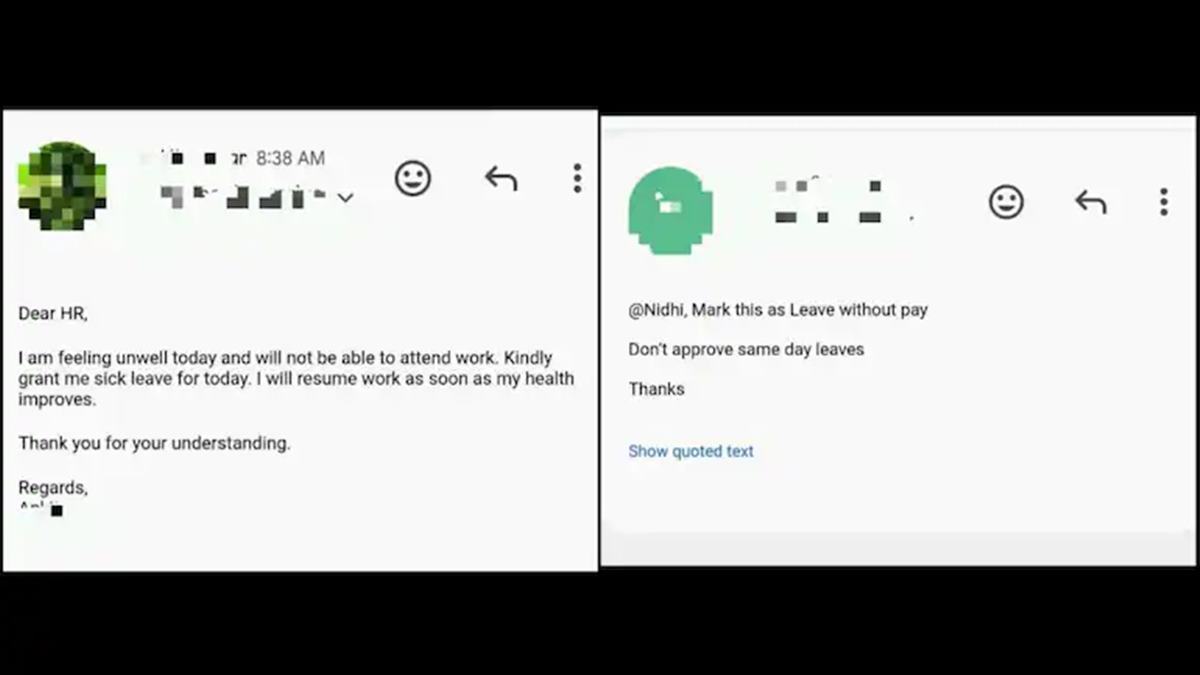
- 85% receive messages even during sick leave or holidays
- 79% fear career damage if they don’t respond
These numbers gained renewed attention after the death of a young employee at EY, which reignited conversations on toxic work pressure and burnout.
Generational Divide on After-Hours Work
The survey also highlighted a sharp generational split. Baby Boomers were most likely to feel “valued” when contacted after hours, while over 63% of Gen Z workers said they would consider quitting jobs that fail to respect personal boundaries. This shift signals how younger professionals prioritise mental health over traditional work devotion.
Employers Caught Between Deadlines and Retention
Employers acknowledge the problem: 81% fear losing talent if work-life balance continues to be ignored. Still, many admit to contacting staff after hours due to deadlines and stakeholder pressure. Interestingly, 81% said they would support extra compensation for employees required to remain available beyond office hours.
Work Hours Debate Intensifies
The bill enters Parliament amid growing controversy over long workweeks. Comments by Narayana Murthy of Infosys advocating 70-hour workweeks and SN Subrahmanyan of Larsen & Toubro suggesting even longer hours have divided public opinion.
More Private Bills Signal Growing Social Pushback
The Right to Disconnect Bill joins a wave of private member proposals, including menstrual benefits, NEET exemption for Tamil Nadu, journalist protection laws, and a bill seeking to abolish the death penalty—each reflecting deep social anxieties seeking legislative attention.