



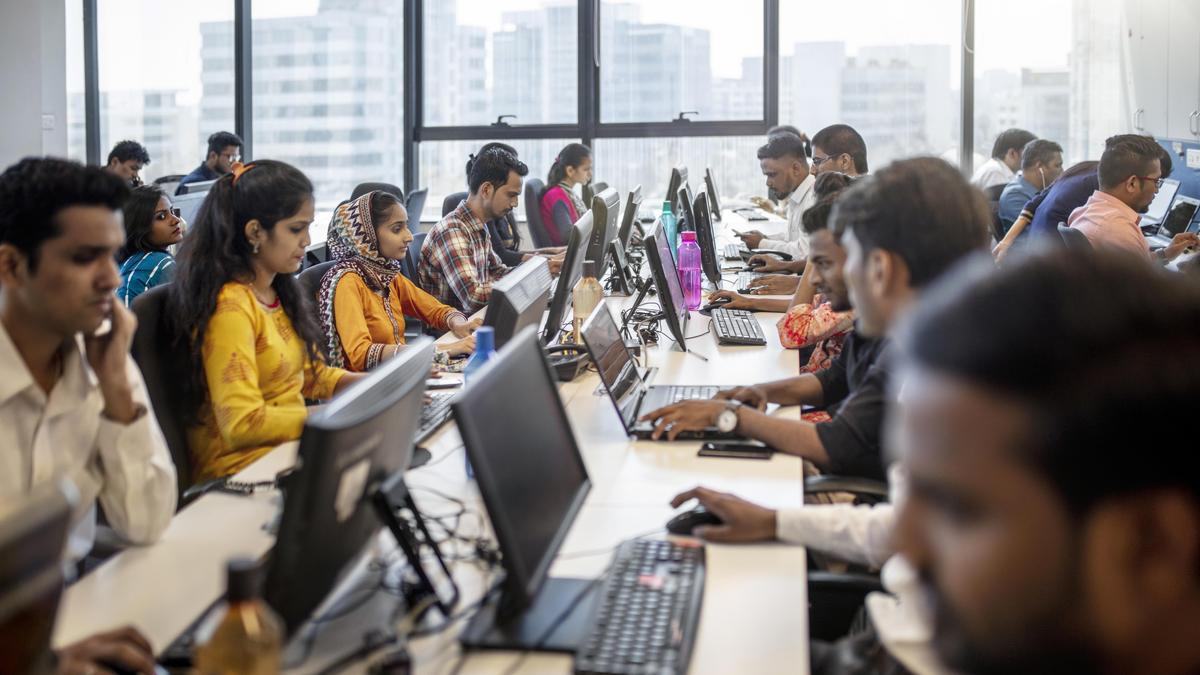












2025 will be seen as the year work quietly transformed. The hiring rush of the post-pandemic period has eased, and organisations across India’s digital engineering and technology sectors have shifted to more focused and thoughtful growth. The most important question was not about numbers. It was about clarity. Where do we invest in talent so that the return shows up directly in customer value and business outcomes.
This single question shaped most HR decisions this year.
How Talent Expectations Evolved in 2025
In 2025, talent expectations became much sharper. Flexibility was no longer about where people work. It became a deeper need for autonomy and choice, the freedom to reskill, move across roles, and shape careers across India, APAC, Europe, and the Americas. Career growth and wellbeing also came together in a way we haven’t seen before. People wanted to grow quickly but not at the cost of their financial stability, mental health, or life outside work. And purpose became something employees looked for in everyday decisions. They paid attention to how performance is measured, who gets promoted, where investments are made, and how leaders act when situations get difficult.
A More Precise Way of Managing Talent Capital
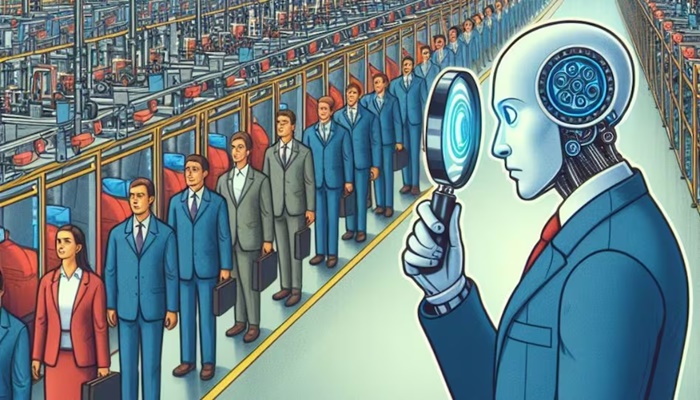
This year pushed organisations to move away from the idea that growth simply comes from adding more people. The real question became which skills and roles truly influence customer value and revenue productivity. This shift led many companies to build internal talent hotspot maps that identified areas such as AI in all its forms, cloud-native engineering, data platforms, and product architecture. These capabilities strengthened delivery and competitiveness, even though the level of impact naturally varied across businesses.
With this clarity, organisations managed costs more thoughtfully in areas where demand had stabilised and invested more intentionally in high-impact skills, leadership capability, and priority markets. The focus moved from counting headcount to understanding revenue and EBIDTA contribution by skill group. This transition from viewing it as an employee-cost discussion to treating it as talent-capital allocation became one of the most important HR lessons of the year.
The AI First Engineer Becomes a Defining Trend
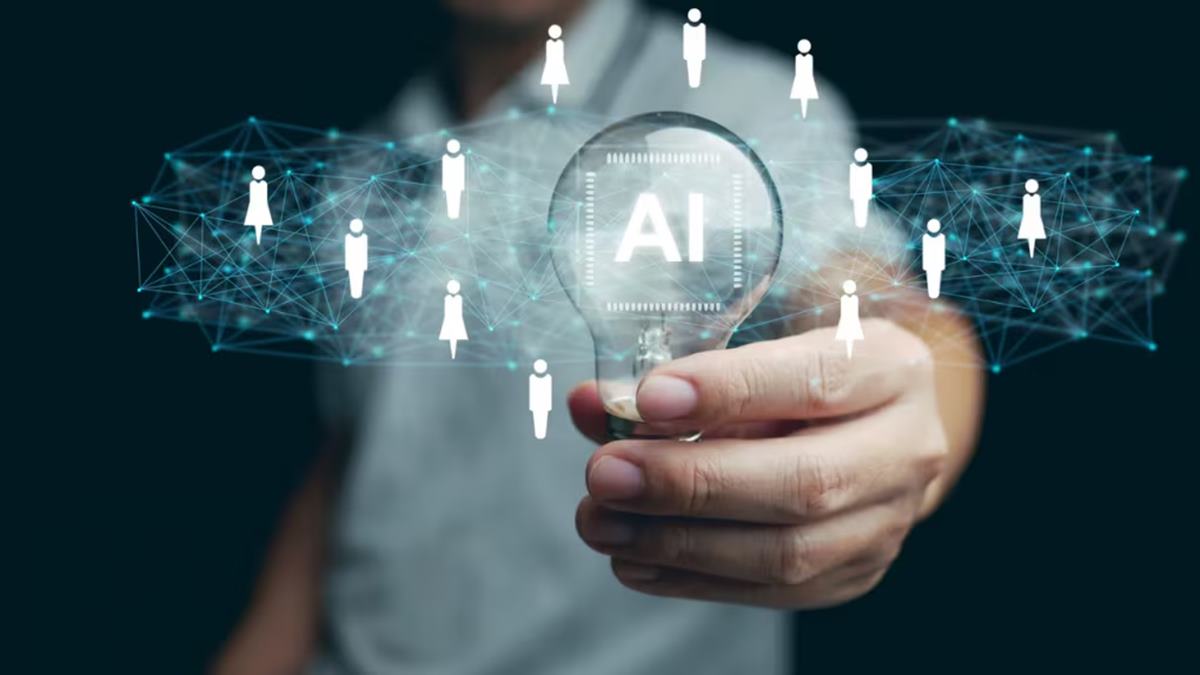
2025 was the year the AI first engineer truly came into focus across India’s technology ecosystem. These professionals don’t just use AI as a tool. They think, design, troubleshoot, and build with AI as an extension of their expertise. A recent update from the India Skills Report 2026 also reflects this shift, noting that over 40 percent of India’s tech workforce now uses AI tools in everyday work, as reported by Business Standard. This growing comfort with AI is accelerating demand for engineers who can build with AI at the core.
Teams that integrated AI into coding, testing, and design workflows delivered faster cycles, fewer defects, and stronger architectural thinking. Beyond productivity, the cultural shift was significant. AI first engineers became champions of responsible adoption, helping teams make better choices and encouraging a mindset of experimentation and continuous learning. Their rising market demand is a strong signal that this talent group will shape the next phase of digital engineering and enterprise technology.
Skills Become the New Foundation of Performance
Learning sat at the centre of performance in 2025. Roles still matter, but skills have become the true currency for growth, mobility, and opportunity. This shift improved internal movement and supported more inclusive hiring across the industry.
Performance conversations increasingly focus on skill depth, adjacent capabilities, and future readiness. With AI, security, and cloud reshaping work every few months, learning has become a continuous, embedded practice rather than an episodic activity.
The sector also saw a rise in collaborative learning ecosystems and industry-academia partnerships, applied research programmes, and peer-led learning communities. These ecosystems helped employees stay aligned with real-world engineering challenges and evolving market expectations.
Culture, Connection, and Belonging Across a Global Workforce
Hybrid work continued to shape how organisations build belonging. In 2025, culture was not defined by large programs alone but by smaller, consistent practices that created everyday connections. Shared experiences such as team events, open houses, community initiatives, leadership dialogues, and innovation challenges helped people feel part of something larger than their individual roles.
For HR, the role expanded beyond traditional engagement. The focus shifted to building organisational resilience by preventing burnout, ensuring leaders stay accountable, sustaining a learning-oriented culture, and creating safe spaces for honest conversations. The workforce became more global, and maintaining trust across time zones and cultures required deliberate effort.
What Will Shape 2026
As we look ahead, a few priorities stand out.
- Human plus AI collaboration will become foundational to every role.
- Skills-based workforce design will help organisations stay agile as demand cycles shift.
- Belonging and trust will continue to operate as measurable drivers of productivity.
- Middle managers will become central to capability building and cultural continuity.
- Responsible AI will become a critical leadership expectation as regulations strengthen.
If 2025 taught us anything, it is that sustainable performance comes from combining human potential with clarity, capability, and responsible use of AI. The future will belong to organisations that see talent as a catalyst for value creation. And 2026 will reward leaders who guide people with empathy, conviction, and a deep belief in their ability to evolve.
Source – https://www.bwpeople.in/article/2025-was-not-about-hiring-more-it-was-about-hiring-smarter-585086