













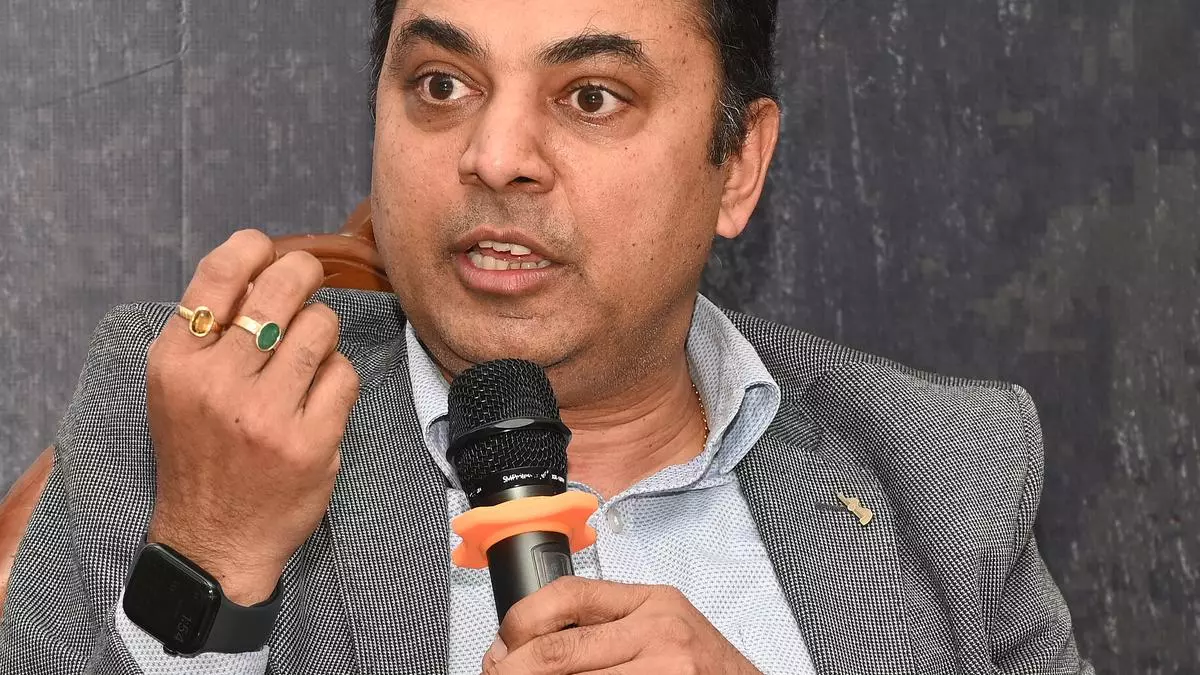





Layoffs in the tech industry often arrive like shockwaves, leaving thousands scrambling for answers in an already uncertain market. But amid the anxiety, a Bengaluru-based CEO has offered a perspective that cuts through fear and focuses on action. As news around Oracle layoffs made headlines, Pradeep Soundararajan took to social media to break down not just why such decisions happen, but what employees can do next to regain control of their careers.
Soundararajan clarified that neither he nor the organisations he works with are connected to Oracle, framing his thoughts purely from a leadership lens. He argued that mass layoffs are rarely driven by a single factor like AI alone. Instead, they are often the result of structural inefficiencies within large organisations. According to him, as companies scale, their systems, approvals, and processes tend to slow down. Periodic layoffs then become a way to reset speed and urgency, forcing the remaining workforce to adapt and perform under pressure.
The trigger
He also pointed to leadership transitions as a key trigger. In large corporations, products and projects are often closely tied to specific CXOs. When leadership changes, new executives tend to replace existing priorities with their own, much like a reset of vision and direction. This often results in entire teams or initiatives being discontinued, regardless of past investment.
Underperformance
Another reason he highlighted was the persistence of underperforming business divisions. Companies sometimes continue funding projects in the hope of future returns, but when those expectations fail to materialise, the cost eventually becomes unsustainable. At that point, shutting down those divisions becomes inevitable. He added that many leaders delay difficult decisions like layoffs, waiting for external triggers such as technological shifts to justify them, even though the underlying issues may have existed long before.
Exploring opportunities
Moving from causes to solutions, Soundararajan urged affected employees to shift their mindset. Instead of dwelling on the loss, he encouraged them to view their time at Oracle with gratitude and use it as a stepping stone. He suggested exploring opportunities in smaller companies that may value their experience but previously could not afford such talent. These roles, he noted, could also offer a combination of salary and equity, opening doors to long-term growth.
Self-reflection document
One of his most striking suggestions was for individuals to create a detailed self-reflection document, spanning up to ten pages. This exercise involves analysing their experiences, identifying what worked and what didn’t, and outlining how they would approach their next role differently. He believes presenting such a document during interviews can offer deeper insight into a candidate’s thinking, helping both the employer and employee assess alignment beyond what a traditional CV can convey.
Cross-skilling
He also encouraged cross-skilling among those impacted. Developers, quality assurance professionals, support staff, and even sales teams can benefit from sharing knowledge across functions. This kind of skill exchange not only enhances individual capability but also makes professionals more adaptable in a rapidly evolving job market.
Broader lessons
Beyond immediate advice, Soundararajan reflected on broader lessons the IT industry often overlooks. He stressed that leadership decisions tend to have a more direct impact on careers than technological disruptions. Even highly accomplished leaders, he noted, face uncertain outcomes, with success rates that are far from guaranteed. He emphasised the importance of knowing when to shut down failing projects early, as delayed decisions often lead to larger layoffs and greater damage.
He also challenged the idea that money alone can guarantee success, pointing out that while capital can sustain a project temporarily, it cannot ensure its viability. According to him, being laid off is not a failure, but panic and fear in response to it can be more damaging. Markets fluctuate, but opportunities return, and resilience plays a critical role in navigating such phases.
Adding a personal dimension, Soundararajan shared that his views are shaped by his own experiences. Long before becoming a CEO, he had faced job loss, endured months without employment, and even borrowed money from a friend just to afford fuel for attending interviews. Those moments, he reflected, became defining experiences that contributed to his journey into leadership, reinforcing his belief that setbacks can be powerful turning points when approached with clarity and intent.