




















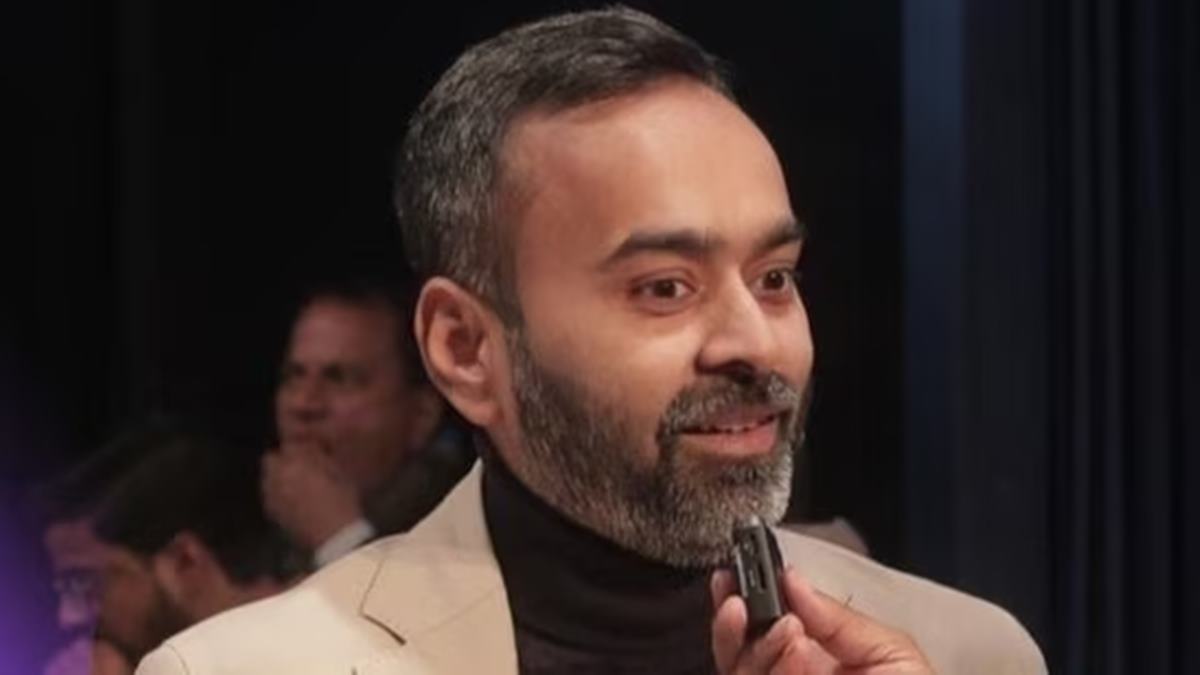
An entrepreneur who left Google to build his own company has shared advice for professionals thinking about quitting their jobs, urging them not to make the decision out of frustration or impulse.
Rohit Sakunia, who left Google more than a decade ago to start his entrepreneurial journey, reflected on the decision in an Instagram post. While he said he has “no regrets” about leaving the corporate world, he stressed that people should have a clear sense of purpose before taking the leap.
Entrepreneur’s advice
Sakunia, founder of ArtE Mediatech, advised budding entrepreneurs to have a clear sense of purpose before resigning from their 9-to-5 jobs. In particular, he advised against quitting in a huff.
“Don’t quit because you’re frustrated. Don’t leave because someone’s startup story inspired you at 11pm. Don’t leave because the grass looks greener,” wrote the Delhi-based founder.
Instead, he advised aspiring entrepreneurs to leave only when they genuinely know what they are working towards “and when you have enough ground beneath your feet to take that first fall.”
The challenges of quitting
Sakunia also highlighted the emotional and financial challenges that often accompany the transition from a salaried job to entrepreneurship. According to him, the shift in identity can be more difficult than many people expect.
“One day you’re ‘the Google guy.’ Next day someone asks ‘aur ab kya kar rahe ho?’ Aur paas koi clean answer nahi hota,” he wrote, describing the uncertainty that can arise in the period between leaving a well-known employer and establishing a new venture.
He noted that financial pressure and identity-related pressure often arrive simultaneously when one quits their job.
Another key piece of advice in his post was to build a financial safety net before resigning. Sakunia recommended having at least six months’ worth of savings, ideally more, before making the move.
No regrets
Reflecting on his own experience more than 10 years after leaving Google, Rohit Sakunia said that entrepreneurship has given him flexibility and ownership over his work. He wrote that he can attend his son’s cricket practice during the week and structure his days in a way that suits him.
While acknowledging that running a business is not always easy and that some periods are slower than others, the former Google employee said he has never regretted his decision.