



















For years, landing a job at a major technology company was viewed as a pathway to career stability and growth. But that perception has been tested in recent years as companies across the sector have cut thousands of jobs while simultaneously investing heavily in artificial intelligence. As AI continues to reshape how businesses operate and what skills they value, many professionals are being forced to rethink their long-term career plans. One tech worker’s experience after being laid off twice in less than three years offers a glimpse into how some employees are adapting to this changing reality.
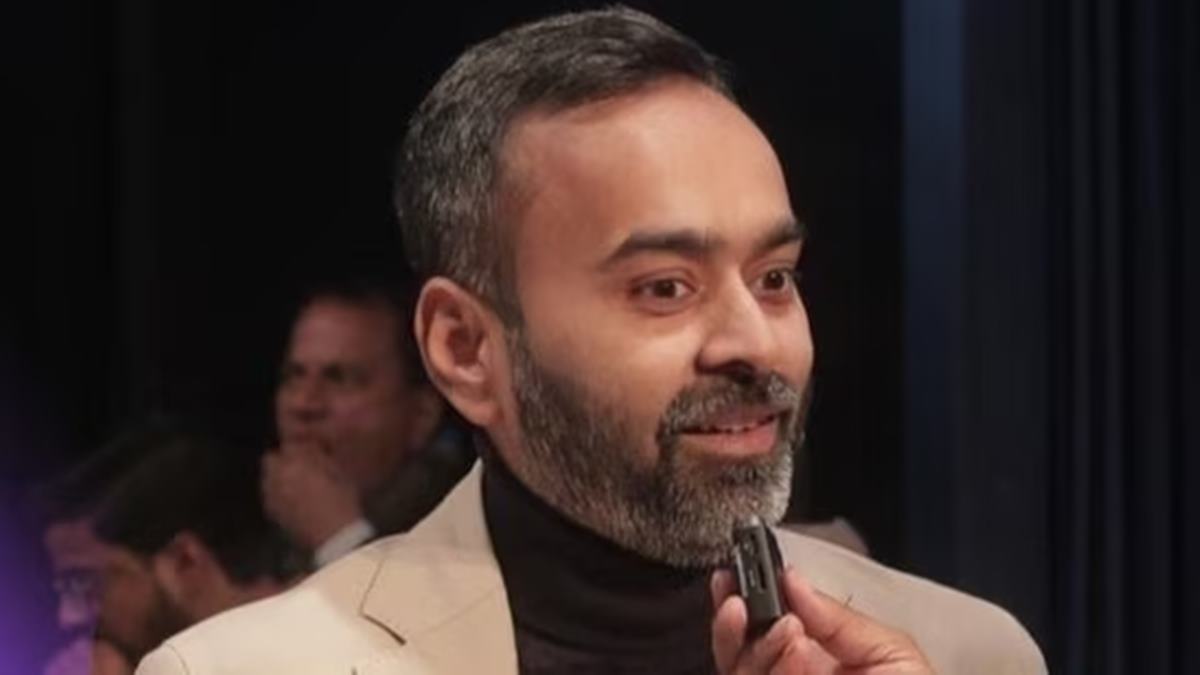
According to Business Insider, Dave Lewis built a career that many professionals would envy. He spent nearly a decade at Google before moving to Amazon and later Microsoft. Yet despite working for some of the biggest names in technology, he found himself navigating repeated layoffs and questioning where he fit into the industry’s future.
Lewis joined Google in 2012 as a digital media manager and remained there for around ten years. During the pandemic, he and his wife relocated from New York City to Montana. While the move suited their family life, Lewis was also looking for a fresh professional challenge. Reflecting on his time at Google, he said, “I was working on individual, complex problems instead of large industry ones, which is where I do my best work.”
Seeking a role that offered remote work flexibility and broader responsibilities, Lewis joined Amazon in July 2022 as a product lead. The position allowed him to move beyond sales into product strategy. However, the opportunity was short-lived. Less than a year later, he was laid off as part of Amazon’s workforce reductions.
Rather than cutting ties, Lewis stayed connected with former colleagues and managers. Those relationships eventually helped him return to Amazon in October 2023 as a technical product manager. Speaking about the experience, he said, “It was different getting hired back versus being hired new because I had some built-up goodwill, and people were familiar with my work.”
A second move and another layoff
Lewis’ second stint at Amazon coincided with the company’s evolving return-to-office policies. Initially, he was expected to travel periodically to Seattle while continuing to live in Montana. But when Amazon shifted to a five-day office requirement, he and his family began reconsidering whether the arrangement would work long term.
At the same time, Lewis felt he had achieved many of the goals his team had set. Looking for a new challenge, he accepted a remote partner sales executive role at Microsoft in January 2025. The position offered flexibility along with new responsibilities. However, the role lasted less than a year. Ten months later, Microsoft eliminated his position, leaving him searching for work for the second time in under three years.
The experience pushed Lewis to think differently about his future. Rather than focusing solely on roles similar to those he had already held, he began considering where the industry itself was headed.
One question kept coming back to him: “How do I make sure that I’m optimizing my career search for the next five years of what the industry’s going to be, not the five years that have brought me here?”
Turning toward AI
Eventually, Lewis connected with a former Google colleague who had launched Emberos, an AI startup that helps businesses improve their visibility in AI-powered search systems. The company’s focus aligned with Lewis’ growing interest in how artificial intelligence is changing the way people find information online.
He accepted a full-time position as head of partnerships. After taking time off following the birth of his son, Lewis began working in the role in May. The position also offered the flexibility he had been seeking, without a strict office attendance requirement.
Looking back on his job search, Lewis said people affected by layoffs should carefully evaluate where the market is heading before rushing into another role. “The market is drastically changing every day,” he said. “Think about roles that leverage your experience, challenge you to learn more about emerging technology, and offer long-term growth potential.”
AI becomes a major factor in job cuts
Lewis’ experience comes as artificial intelligence plays an increasingly visible role in workforce decisions across industries.
According to data from outplacement firm Challenger, Gray & Christmas, AI-related layoffs in the United States have already surpassed the combined total recorded in 2024 and 2025. The firm’s report showed that employers announced more than 97,000 job cuts in May 2026 alone, the highest May figure since the early months of the Covid-19 pandemic.
The report also found that AI was cited as the primary reason for nearly 40% of announced job cuts in May. Automation-related reductions accounted for 38,579 positions during the month, bringing the total number of AI-linked layoffs in 2026 to 87,714.
“AI is now the leading reason companies give for cutting jobs,” Andy Challenger, chief revenue officer of Challenger, Gray & Christmas, said in the report.
The technology sector has been particularly affected. US-based tech companies announced 38,242 job cuts in May, while year-to-date layoffs in the sector climbed 66% to roughly 123,000, making it the hardest-hit industry tracked by the firm.
Jeff Bezos on AI’s impact on jobs
Not everyone agrees that AI will ultimately lead to widespread unemployment.
Speaking to the Financial Times, Amazon founder Jeff Bezos pushed back against predictions that artificial intelligence will permanently destroy large numbers of jobs. He argued that technological breakthroughs have historically created wealth, productivity and new types of work.
“The people who are jumping to the conclusion that the jobs are all going to go away… I think these people are just wrong,” Bezos said.
He added, “At root, all civilisational wealth is driven by invention. Six thousand years ago, somebody invented the plough, and we all got wealthier.”
Bezos believes AI could ultimately create more opportunities than it eliminates. However, others within the industry remain concerned. Anthropic CEO Dario Amodei recently warned that AI could significantly disrupt employment and has argued that governments should begin preparing for the possibility of large-scale workforce displacement.
As the debate continues, workers like Lewis are trying to position themselves for whatever comes next. For him, the lesson from two layoffs in three years was not simply about finding another job. It was about identifying where technology is heading and building a career around those changes before they arrive.