

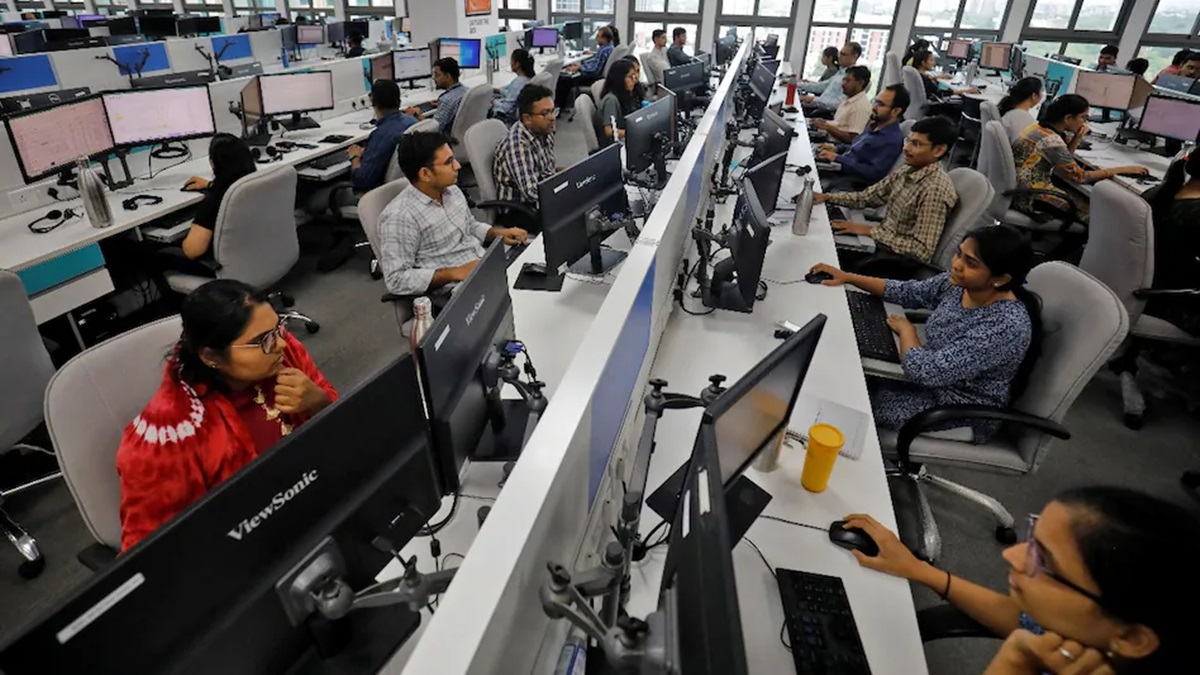















Hiring activity across India’s travel and hospitality sector is entering a more structured phase, with a Net Employment Change (NEC) of 5.1 per cent projected for HY1 FY2026-27, according to the latest Employment Outlook Report released by TeamLease Services.
The report shows that 63 per cent of employers plan to expand their workforce during the period, while 20 per cent expect no change and 17 per cent anticipate reductions. The findings indicate a more calibrated hiring approach as organisations align workforce planning more closely with demand visibility and operational priorities.
The sector’s hiring momentum continues to be supported by domestic leisure travel, growth in Tier 2 and Tier 3 destinations, increasing business travel activity, MICE demand and religious tourism. The report noted that the travel and hospitality sector’s contribution to GDP is projected to rise from USD 256 billion in CY24 to USD 523 billion by CY34, with the industry expected to support nearly 63 million jobs over the long term.
At a functional level, hiring demand is being led by customer-facing and operationally critical roles. Expansion intent stands at 53 per cent for sales and marketing roles, followed by 49 per cent for business continuity functions and 36 per cent for finance positions. Employers are also expected to recruit across hotel operations, food and beverage services, event management, travel coordination and wellness tourism functions.
The report identified Indore, Kochi and Lucknow as emerging growth markets, recording workforce expansion intent of 20 per cent, 18 per cent and 15 per cent respectively. The sector is also projected to witness an overall salary increment of 9.2 per cent, supported by rising disposable incomes, stronger regional connectivity and increasing travel demand.Commenting on the findings, Balasubramanian A, Senior Vice President, TeamLease Services, said, “While the 5.1% Net Employment Change reflects a moderation from the previous half year, it is more accurately a phase of stabilisation within a structurally expanding sector. Demand is increasingly being shaped by infrastructure-led tourism development and schemes such as Swadesh Darshan 2.0 and PM GatiShakti, alongside rising MICE and religious travel flows. This is translating into more disciplined, demand-linked hiring rather than anticipatory workforce expansion across the ecosystem.”
The report concludes that the sector is moving towards more efficient workforce deployment and structured capacity management, with organisations focusing on operational readiness, service consistency and demand-responsive hiring strategies as the industry continues to evolve.