


















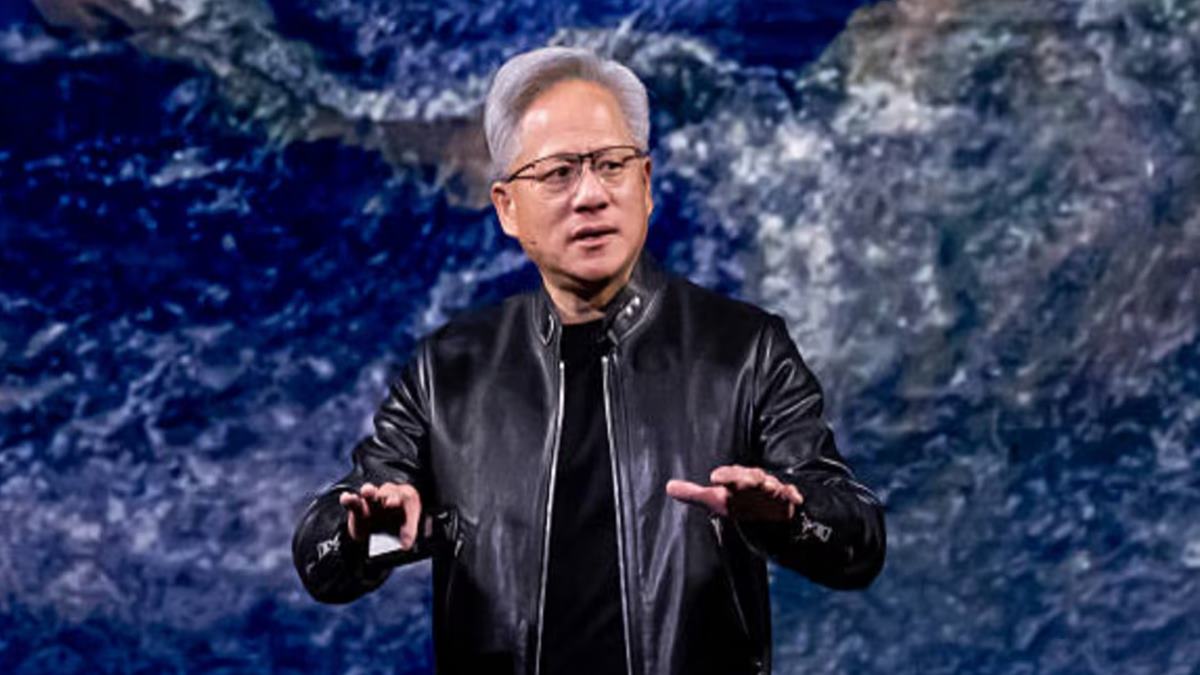
Jensen Huang has warned that college graduates who fail to learn artificial intelligence tools could face growing challenges in the job market as companies increasingly prioritise AI-ready talent.
Speaking during a recent conversation with podcaster Lex Fridman, Huang said employers are likely to favour candidates who understand how to work effectively with AI systems.
According to the NVIDIA chief, AI literacy is rapidly becoming as essential as basic computer skills once were during the early internet era.
Huang argued that the future workforce will not necessarily be replaced directly by AI, but rather by workers who know how to use AI more efficiently than others.
“People who use AI will replace people who don’t,” he suggested, describing artificial intelligence as a foundational skill that students should begin learning regardless of their career path or academic background.
The remarks come as businesses across sectors accelerate the adoption of generative AI tools for coding, research, communication, automation and productivity tasks.
Technology companies, consulting firms, media organisations and healthcare providers are increasingly integrating AI systems into daily operations, reshaping hiring expectations for both technical and non-technical roles.
Huang has repeatedly positioned AI as a transformative technology that could create entirely new industries and job categories despite ongoing fears around automation-driven job losses.
Earlier this month, during a commencement address at Carnegie Mellon University, Huang encouraged graduates to embrace the rapid technological shift rather than fear it.
He described the current moment as the beginning of a new era of innovation powered by artificial intelligence, science and advanced computing.
The growing emphasis on AI capabilities is also changing how universities and training institutions approach workforce preparation, with more institutions introducing AI-focused coursework and certifications.
At the same time, concerns around AI’s impact on employment continue to rise globally. Several companies have already cited AI-driven efficiency gains while restructuring teams or slowing hiring in certain functions.
Huang, however, remains optimistic that AI will augment human productivity and create opportunities for workers willing to adapt.