














The year 2025 will be remembered as the year the “AI Experiment” became the “AI Everyday.” We have moved past the initial hype and fear into a period of practical, sustained transformation. As we look toward the future of jobs in 2026, the focus is shifting from simply using technology to redesigning the very taxonomy of work.
Five Ways the Workplace Changed in 2025
The past twelve months have solidified several workplace trends 2025 that are now considered baseline requirements for competitive organizations.
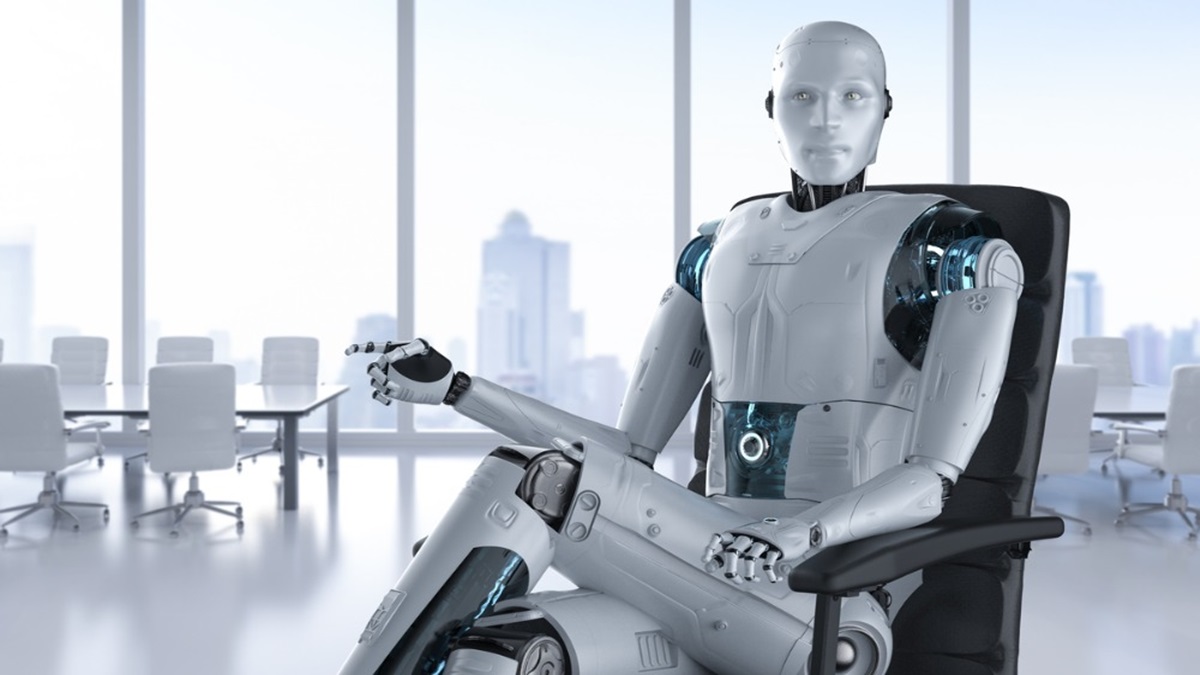
1. Rapid, Practical AI Augmentation: In 2025, the AI co-pilot moved from a niche tool to a standard task assistant. Knowledge workers across finance, law, and marketing now use chatbots and generative agents for first drafts, data synthesis, and scheduling as a matter of routine. This has shifted the focus from “doing the work” to “directing the work.”
2. Hybrid as the Default: The “return to office” wars largely settled into a stalemate. Most global organizations formalized hybrid policies, investing in regional hubs rather than central headquarters. This shift necessitated a move toward async workflows, where progress is tracked in shared digital spaces rather than through physical presence.
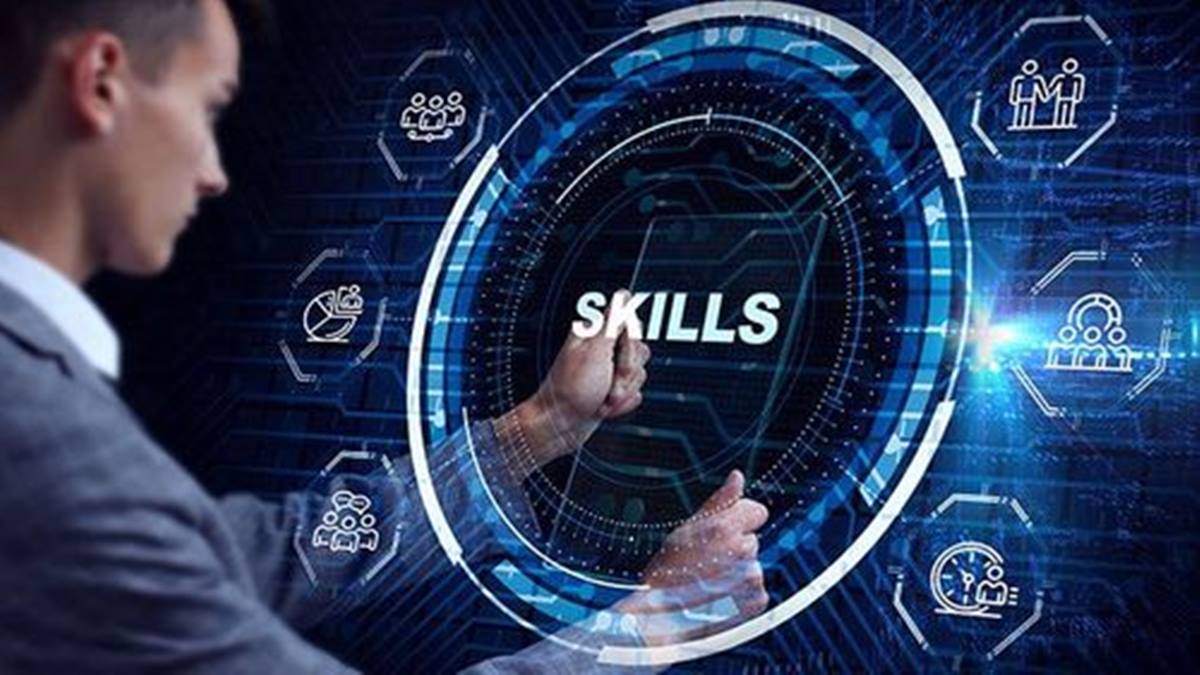
3. The Skills-First Hiring Boom: The degree-based filter began to crack. Organizations pivoted toward skills-first hiring, utilizing on-demand L&D and micro-learning to bridge talent gaps. Role redefinition became the norm, with jobs being unbundled into specific tasks, some automated, some human-led.
4. Distributed Global Hiring: Geography has become less of a constraint for talent acquisition. Lean HR models and specialized “employer of record” services allowed companies to scale distributed teams across borders rapidly, accessing specialized talent in emerging markets without the overhead of physical local entities.
5. The End of Presenteeism: Management philosophy underwent a quiet revolution. There was a measurable shift toward trust, outcomes, and psychological safety. Leaders realized that “butts in seats” was a poor proxy for productivity, leading to a surge in outcome-based management.
Five Ways the Workplace Will Change in 2026
If 2025 was about adoption, 2026 will be about integration and governance.
1. AI-First Workflows: We are moving away from “AI as a bolt-on” to “AI as a platform.” In 2026, every productivity app will have an embedded AI co-pilot that communicates with other apps. Workflows will become self-orchestrating, where the AI anticipates the next step in a project and prepares the necessary assets before the human even asks.
2. A New Job Taxonomy: Expect to see the rise of roles that didn’t exist two years ago. We will see “AI Experience Officers” (AXOs) focusing on the employee-AI interface and “Decision Designers” who specialize in structuring data for AI-augmented executive decisions.
3. The Hiring Rebound and Entry-Level Rebalancing: After a period of cautious automation, 2026 is projected to see a hiring rebound. However, entry-level roles will look different. Instead of “grunt work,” junior employees will be hired as “AI handlers,” tasked with managing the high-volume output of automated systems, requiring a higher level of critical thinking earlier in their careers.
4. Hybrid-Human Culture: The Ritualization of In-Person: As digital work becomes more efficient, the “human” element will become more deliberate. Companies will move away from accidental office days to “ritualized” in-person events, high-impact quarterly intensives or social retreats designed specifically for culture-building, not just task execution.
5. Measured Regulation and AI Governance: The “Wild West” era of AI use is ending. 2026 will see robust AI governance frameworks. Companies will implement internal policies for safe, fair, and transparent AI use, mirroring broader global regulations that demand accountability for automated decisions.
Five Workplace That Will Accelerate
- AI Co-pilots as Standard Issue: Like a laptop or an email address, an AI co-pilot will be a standard part of every employee’s toolkit.
- Internal Skills Marketplaces: Large firms will use AI to map internal talent to projects, allowing employees to “gig” internally and move where their skills are most needed.
- Distributed Talent Pools: The competitive advantage will go to firms that can manage distributed teams across multiple time zones seamlessly.
- Outcome-Based Pay: Compensation will shift further away from “hours logged” toward the value created, especially in roles where AI has automated the time-intensive parts of the job.
- Personalized L&D: Reskilling will become hyper-personalized, with AI tutors creating custom learning paths based on an employee’s specific skill gaps and career goals.
Five Features Heading for Obsolescence
As we move forward, several traditional workplace features are becoming redundant:
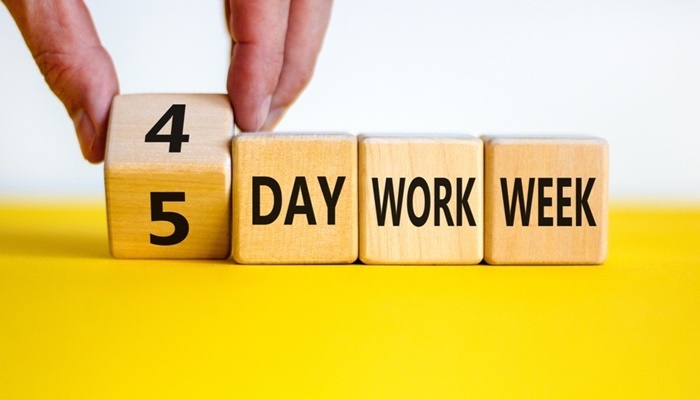
- Strict 9–5 Presenteeism: The fixed-hour workday is incompatible with a global, async, and AI-augmented world.
- Monolithic HR Pipelines: The “apply-interview-hire” linear path is being replaced by continuous talent engagement and skills-based assessment.
- Unmanaged Open-Plan Desks: The “sea of desks” is dying. Employees who come to the office want collaboration spaces or “deep work” pods, not a noisy open floor.
- Single-Vendor Productivity Stacks: The “all-in-one” suite is giving way to interoperable ecosystems where companies pick the best AI tools for specific tasks.
- Meeting-Heavy Calendars: As async workflows and AI summaries take hold, the “meeting to discuss a meeting” is finally becoming a relic of the past.
For the individual, the directive is clear: reskilling is no longer a one-time event but a continuous state. For the organization, the challenge is in office design 2025 and beyond, creating environments (both digital and physical) that foster the type of high-level creativity and empathy that AI cannot replicate.
The workplace of 2026 will be leaner, faster, and more distributed. Success will not belong to the companies with the most advanced AI, but to those who best manage the intersection of that AI with human ingenuity.