














You may have seen “Chinamaxxing” – a trend couched in a curiosity about Chinese culture, lifestyle and wellness practices – doing the rounds on social media over the last few weeks.
Well, far from just a lifestyle fad, some believe it could be signalling a change in expectations around employee wellbeing and work-life balance.
Of course, employee wellbeing has long been an expectation for businesses in the UK, with a large number of employers now offering benefits like flexible working, mental health support, and wider wellbeing initiatives.
However, trends like Chinamaxxing suggest the conversation is moving beyond surface-level solutions. Younger employees are increasingly looking for workplaces that reflect their values, respect boundaries, and make wellbeing part of the culture rather than an optional add-on or perk.
What is “Chinamaxxing”?
“Chinamaxxing” is a new lifestyle trend on social media, particularly among Gen Z users. Through videos on platforms like TikTok and Instagram, users are documenting lifestyle changes they’ve made inspired by aspects of Chinese culture – with some using hashtags like #newlychinese.
Some of these changes include swapping cold drinks for warm boiled water, practising tai chi or qigong as part of their morning routine, or simply slowing down their everyday lives.
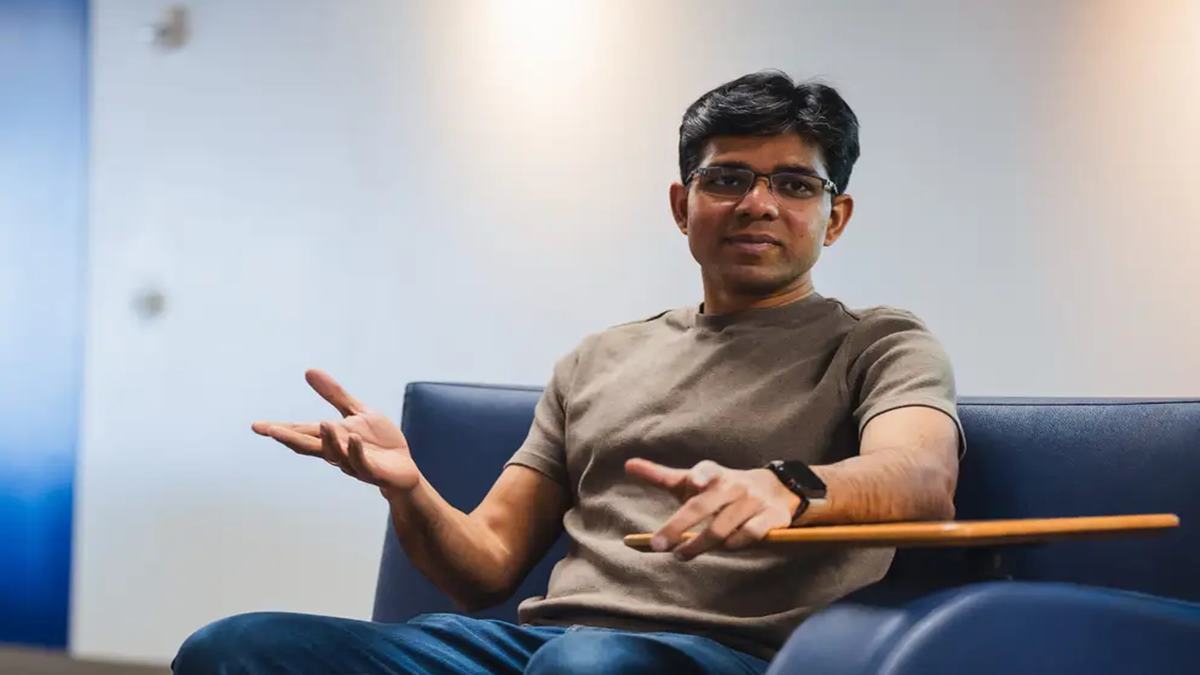
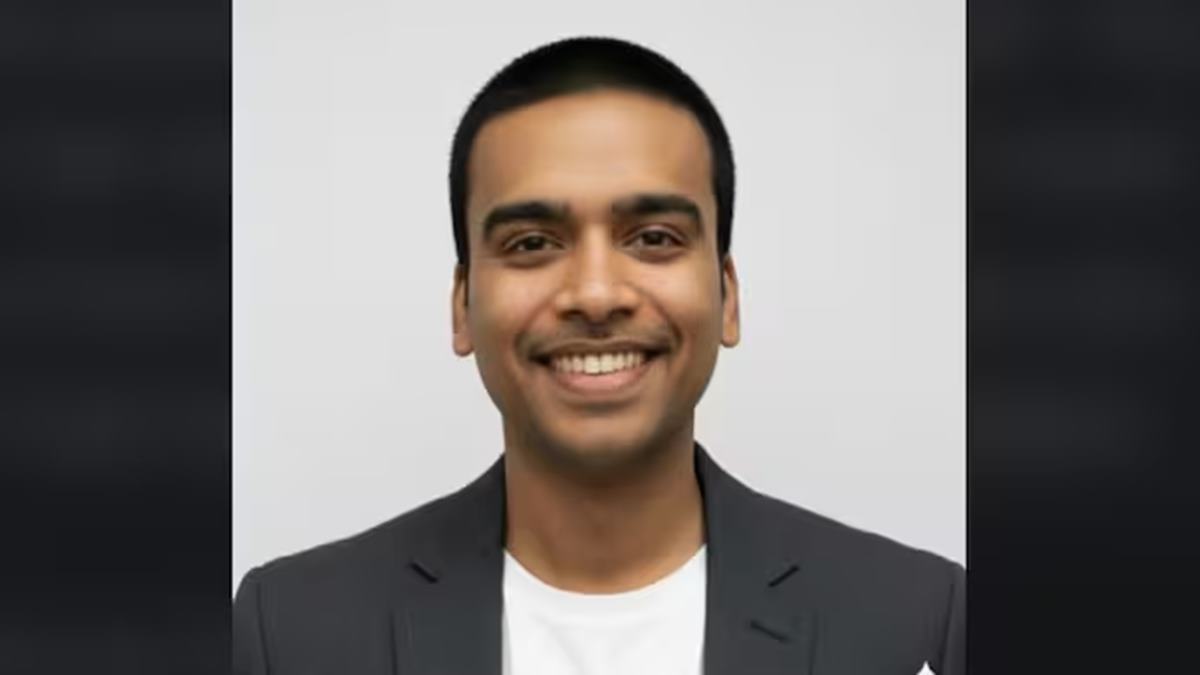
Jason Morris, owner and CEO of Profit Engine, says that the trend isn’t just about picking up specific habits, but that young people are looking for new ways to live.
“Social media has become a space where younger workers are openly exploring alternatives to the standard grind,” he says. “When you see a trend like this take off, it tells you something about what people feel is missing from their lives, and by extension, from their workplaces.”
How are lifestyle trends influencing workplace expectations?
While they may start life as online buzzwords, trends like this are often a reflection of deeper shifts in how people feel about both work and their lives.
The “quiet quitting” phenomenon that emerged a few years ago, for instance – which involves employees sticking strictly to the tasks outlined in their job description and refusing to go the extra mile – is now a widespread practice. 19% of workers did the bare minimum last year, often because they felt their skills were being overlooked or not utilised.
What both trends have in common is the growing focus on achieving balance in your life, with Gen Z in particular pushing it higher up the agenda than any generation before them. In fact, 28% of employees now rank work-life balance as a top motivator at work.
With 79% of workers experiencing work-related stress regularly and sick days rising to an average of 9.4 per person, per year in 2025, “the conversation underneath [Chinamaxxing] is one every employer should be tuned into”, Morris adds.
“Gen Z are actively searching for ways of living that prioritise rest, routine, and personal wellbeing, and they don’t leave those values at the door when they come to work.”
Adapting your business for the Gen Z workforce
Like many trends before, Chinamaxxing is likely to fall as others rise. However, the values beneath it – such as prioritising better balance, intentional living, and a healthier relationship with work – aren’t going anywhere.
Businesses with wellbeing initiatives are already on the right track, particularly as 85% of employees now have access to Employee Assistance Programmes (EAPs), including mental health support, stress management, and financial and legal advice.
However, Morris advises that expectations for young employers go beyond simple benefits and perks and extend to the everyday company culture and practices of the workplace itself.
“Gen Z will see straight through performative wellness perks. What they want is a workplace that actually respects the boundaries they’re setting for themselves.
“The employers who take that seriously, who build flexibility, trust, and genuine wellbeing support into how they operate, are going to have a real advantage when it comes to hiring and retaining good people. If you’re running a business and not paying attention, you’re missing something important.”
Source – https://startups.co.uk/news/chinamaxxing-workplace-trend/